Project Case
Which food industries are valves applied to in New Zealand
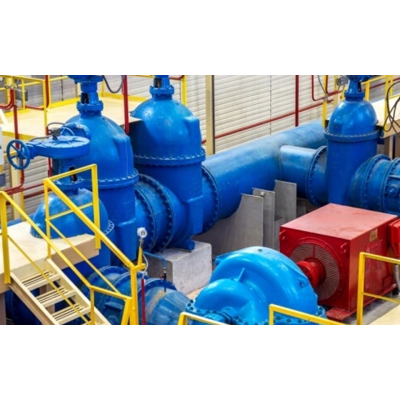
Valves, as an important device for fluid control, play a crucial role in the food industry. During food processing, valves are not only used to regulate and control the flow of fluids, but also play a significant role in ensuring product safety, improving production efficiency, and maintaining hygiene standards.
Firstly, in the food industry, valves can effectively control the flow of various fluids, including liquids, gases, and semi-solid substances. For example, in the beverage production process, valves are used to control the mixing ratio of water, sugar syrup, and gases to ensure the consistency and stability of the product. In dairy product processing, valves are used to regulate the flow of milk liquid, thereby achieving precise processing control and efficient production processes.
Secondly, the sealing performance and material of valves are crucial for food safety. The food industry has strict hygiene standards, so valves are usually made of stainless steel or other materials that meet food safety standards to avoid rust and contamination. In addition, the design of valves must ensure good sealing performance to prevent leakage and cross-contamination, ensuring the safety and quality of the final product.
Furthermore, the convenience of cleaning and maintenance of valves is also an important reason for their wide application in the food industry. Since food processing equipment needs to be cleaned regularly, many valves adopt detachable and easy-to-clean designs, such as sanitary butterfly valves and ball valves. This design not only makes daily maintenance simpler, reducing production downtime, but also reduces the risk of cross-contamination, thereby enhancing product safety.
Moreover, the development of automation technology has also promoted the application of valves in the food industry. Modern food production usually adopts automatic control systems to achieve precise control of fluid flow. Intelligent valves are equipped with sensors and control systems that can monitor data such as flow, pressure, and temperature in real time, ensuring the accuracy and stability of the processing. Through automatic control, it can reduce human intervention, improve production efficiency, and ensure the consistency of product quality.
Finally, the application of valves in the food industry also involves different process requirements. For example, in beer brewing, valves are used to control the mixing of malt liquid and water and the fermentation process to ensure the uniqueness of the product flavor. In the food canning industry, valves are responsible for regulating the filling speed and accuracy of bottled liquids to ensure the safety and stability of the product during packaging.
 +86 15122654356
 +86 15122654356
 sale2@tjlituo.com
 Xiaozhan Industrial Area, Xiaozhan Town, Jinnan District ,Tianjin , China