INDUSTRY NEWS
What are the sealing surfaces on a valve
Valves are indispensable components in fluid control systems and are widely used in various industrial settings. The sealing surface of a valve is one of the most critical parts, directly affecting the valve's sealing performance and service life.
I. The Importance of Valve Sealing Surfaces
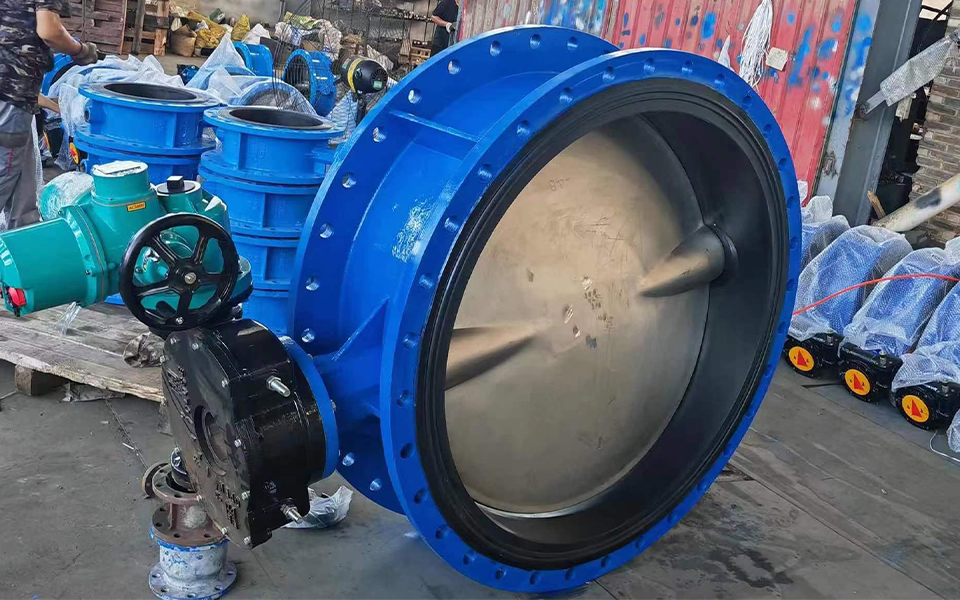
The sealing surface of a valve refers to the surface where the valve seat and the closing element (such as the valve plate or disc) come into contact when the valve is closed, preventing the passage of the medium. The quality of the sealing surface directly influences the valve's sealing performance and service life. A high-quality sealing surface can effectively prevent medium leakage and ensure the normal operation of the system.
II. Common Types of Sealing Surfaces on Valves
1. Flat Sealing Surface
The flat sealing surface is the simplest valve sealing form, consisting of two parallel planes. Its advantage is that it is easy to process and maintain. However, it requires a very high degree of parallelism between the two planes; even a slight unevenness can cause leakage. Therefore, flat sealing surfaces are often used in low-pressure, small-diameter valves and in applications where the sealing performance requirements are not very strict.
2. Male and Female Sealing Surface
The male and female sealing surface is a more advanced valve sealing form, composed of a male surface and a female surface that fit together. This type of sealing surface has a high degree of fit and good sealing performance, making it suitable for high-pressure and large-diameter valves. However, it requires high processing accuracy, has a relatively high cost, and is more difficult to maintain.
3. Tongue and Groove Sealing Surface
The tongue and groove sealing surface is a type of valve sealing form suitable for high-temperature, high-pressure, and corrosive media. It consists of a tongue surface and a groove surface that fit together, providing excellent sealing performance and corrosion resistance. However, this type of sealing surface also requires high processing accuracy and has a relatively high cost.
III. Material Selection for Sealing Surfaces
The material selection for valve sealing surfaces directly affects the valve's service life and performance. Typically, the appropriate material is chosen based on the nature of the medium and the working environment. Common sealing surface materials include stainless steel, hard alloys, and ceramics. When selecting materials, factors such as the medium's corrosiveness, temperature, pressure, and the material's hardness, toughness, and wear resistance must be considered.
IV. Maintenance of Valve Sealing Surfaces
To ensure the performance and longevity of valve sealing surfaces, regular maintenance and inspection are necessary. This includes cleaning the sealing surfaces, checking the fit, and replacing damaged parts. Regular maintenance of valves can help identify and address issues promptly, ensuring that the valves remain in good working condition.
 +86 15122654356
 +86 15122654356
 sale2@tjlituo.com
 Xiaozhan Industrial Area, Xiaozhan Town, Jinnan District ,Tianjin , China