INDUSTRY NEWS
Daily Maintenance Guide for Pneumatic Valve Actuators
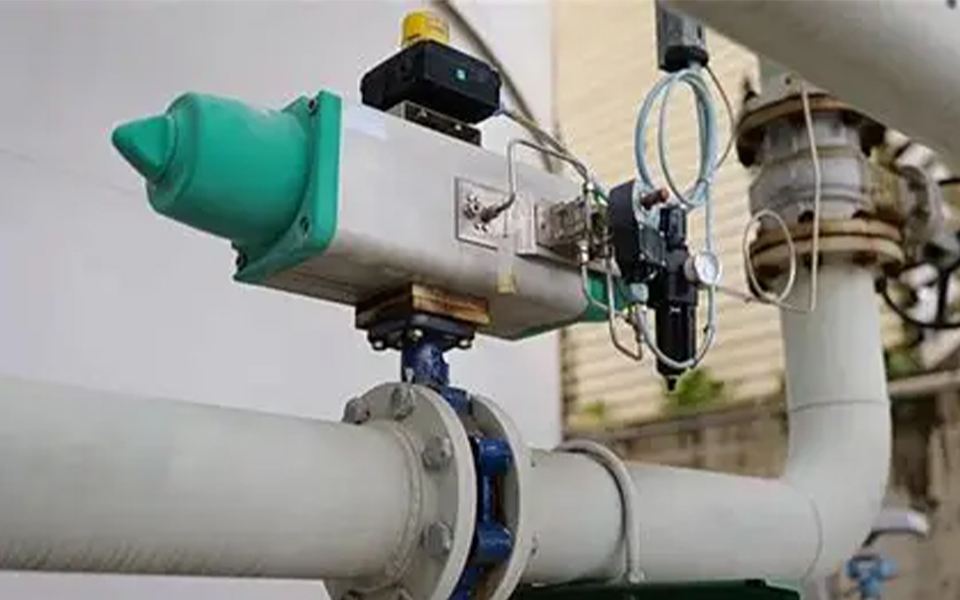
Pneumatic actuators are the core component of pneumatic valves. If they are not maintained, they will fail in no time. Today, we have compiled a comprehensive maintenance guide for pneumatic actuators to help extend their service life.
Daily maintenance of the air supply: The air from the air compressor contains a lot of moisture. The filter in the three-piece air service unit should be drained once a week. Otherwise, when the filter is full of water, the water will enter the cylinder, causing the piston to rust and the seals to deteriorate. If it is never drained, the cylinder will rust after only a short period of use, and the valve will no longer open or close.
Regular lubrication: The piston in the cylinder should be lubricated regularly. A dedicated pneumatic lubricant should be added every 12 months to ensure smooth piston movement and reduce wear. If it is never lubricated, the cylinder will wear out quickly and fail in less than two years. With normal maintenance, it can last 8 to 10 years.
Positioner calibration: Over time, fluctuations in the air supply and valve wear can cause the positioner’s zero point and span to drift. It should be calibrated every 3 to 6 months to ensure accurate opening position. Otherwise, inaccurate control will affect production. If it is never calibrated, the control valve will become increasingly inaccurate, and flow control will be lost.
Solenoid valve cleaning: Over time, oil and impurities can clog the solenoid valve spool. The solenoid valve should be removed and cleaned every 6 months to ensure normal switching. If it is never cleaned, the solenoid valve may stick, and the valve will not open, causing production delays.
Seal inspection: Every 12 months, check the cylinder seals for aging or wear. If any are found, replace them promptly. Otherwise, air leakage may occur, resulting in insufficient thrust. If they are not inspected, leakage may go unnoticed, and the valve will not open.
Feedback signal inspection: Every 6 months, check whether the position feedback signal is normal and whether it can accurately transmit the valve status to the control system.
 +86 15122654356
 +86 15122654356
 sale2@tjlituo.com
 Xiaozhan Industrial Area, Xiaozhan Town, Jinnan District ,Tianjin , China